
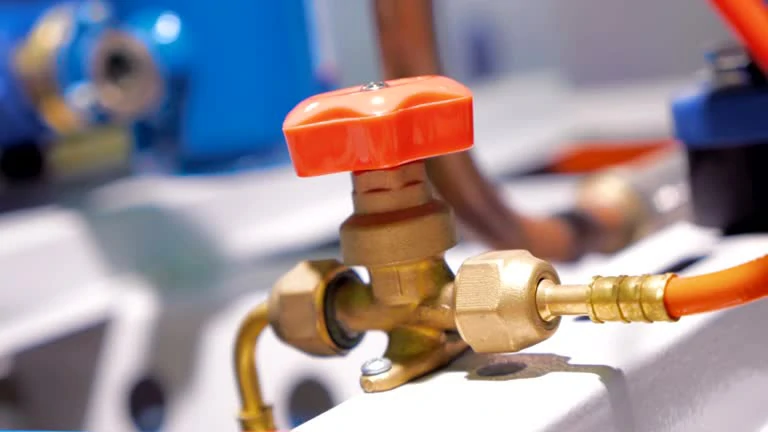
Water valve leaks can cause significant damage to plumbing systems if left unresolved. These leaks not only waste water but can also lead to higher utility bills and structural damage. Identifying the root cause of the leak is essential for effective repair and prevention. This article explores common causes of water valve leaks, offers practical solutions, and provides tips for maintenance to prevent future issues.
1. Introduction to Water Valve Leaks
Water valves play a crucial role in regulating the flow of water through a plumbing system. Over time, wear and tear or external factors can cause these valves to leak, resulting in inconvenience and potential damage. Leaks can occur in various types of valves, including ball valves, gate valves, and check valves, depending on the system’s design and materials.
When a water valve leaks, it can lead to numerous issues. These include water wastage, mold growth, water damage to flooring and walls, and even the corrosion of nearby pipes. Detecting and addressing these leaks promptly can help minimize costly repairs and maintain the integrity of the plumbing system. Understanding the common causes of valve leaks can provide valuable insight into how to prevent and resolve these issues effectively.
2. Common Causes of Water Valve Leaks
Several factors contribute to water valve leaks, and understanding these causes can help in identifying the issue quickly. One common cause is the deterioration of the valve seals. Seals wear down over time due to pressure, temperature fluctuations, and chemical exposure. This can lead to gaps where water can escape, resulting in visible leaks around the valve.
Another cause of leaks is improper installation. When a valve is not installed correctly, such as being over-tightened or under-tightened, it can cause uneven pressure distribution. This misalignment can damage the valve’s internal components and lead to leakage. Additionally, using the wrong type of valve for specific applications can increase the risk of leaks, as some valves are not designed to withstand high pressure or aggressive water conditions.
Corrosion is another frequent cause of leaks in older valves. Pipes and valves made of metal can rust and corrode over time, weakening their structure and causing leaks. The presence of hard water with high mineral content can accelerate corrosion, leading to faster wear on metal valves and seals.
3. Solution: Replacing Worn-Out Seals and Gaskets
When a water valve leaks due to worn-out seals or gaskets, replacing them is often the most effective solution. The seals and gaskets provide a tight seal to prevent water from leaking through the valve. Over time, these components can become brittle, cracked, or damaged from prolonged exposure to water, pressure, or extreme temperatures.
To replace a worn-out seal or gasket, first, turn off the water supply to the valve and relieve any pressure in the system. Carefully remove the valve from the pipe, inspect the components, and replace the damaged seal or gasket with a new one. Ensure that the replacement part matches the size and material specifications of the original component to ensure a proper fit and seal.
Once the new seal or gasket is in place, reassemble the valve and reconnect it to the plumbing system. Turn the water supply back on and check for any leaks around the valve. If the leak persists, the issue may lie elsewhere, such as with the valve body or internal components.
4. Solution: Tightening or Replacing the Valve
If a valve is leaking due to improper installation or looseness, tightening the valve may resolve the issue. For manual valves, ensure that the valve is securely closed and that all connections are properly tightened. In some cases, tightening the valve will provide enough pressure to stop the leak and restore the valve’s function.
However, if tightening the valve does not fix the leak, it may be necessary to replace the valve entirely. Over time, valves can suffer from internal damage, such as worn-out threads or cracked bodies, which can lead to leaks. If tightening doesn’t work, removing and replacing the valve with a new one can prevent further leaks and ensure the plumbing system’s integrity.
When replacing a valve, make sure to choose the correct type and size for the application. Selecting a high-quality valve made from durable materials such as brass, stainless steel, or PVC can help extend the valve’s lifespan and reduce the likelihood of future leaks.
5. Solution: Addressing Corrosion and Mineral Build-Up
Corrosion and mineral build-up can cause significant leaks in older metal valves. Over time, exposure to water and air causes the metal to rust and weaken, leading to small holes or cracks where water can escape. Additionally, hard water with high mineral content can accumulate around the valve and cause blockages or leaks.
To address corrosion, start by turning off the water supply and disassembling the valve. Inspect the valve and pipe for signs of rust, pitting, or scale build-up. For minor corrosion, cleaning the valve with a wire brush or using a descaling solution can help remove rust and mineral deposits. However, if the corrosion is extensive or the valve is too damaged, it may need to be replaced entirely.
To prevent future corrosion, consider installing a water softener to reduce mineral build-up in the water supply. Regularly maintaining the plumbing system, including cleaning and inspecting valves, can also help detect early signs of corrosion before they cause significant damage.
6. Preventive Maintenance Tips for Water Valve Leaks
Preventing water valve leaks is often easier and more cost-effective than repairing them. Regular maintenance and inspections can help detect potential issues before they become serious problems. Start by inspecting the valves in your plumbing system periodically, looking for signs of leaks, corrosion, or wear. Addressing minor issues early can prevent them from escalating into larger, more expensive repairs.
Additionally, ensure that valves are properly installed according to the manufacturer’s instructions. Avoid over-tightening or under-tightening valves, as this can lead to damage or leaks. When replacing valves, always choose high-quality components designed for the specific water conditions in your system.
For homeowners in areas with hard water, consider installing a water softener to reduce the impact of minerals on your valves and plumbing system. Regularly clean valves and pipes to remove mineral deposits and prevent blockages that can contribute to leaks. Finally, consider using valves made of corrosion-resistant materials like brass or stainless steel, which are more durable and less prone to rust and wear.
Conclusion
Water valve leaks can be caused by various factors, including worn-out seals, improper installation, corrosion, and mineral build-up. Identifying the root cause of the leak is essential for effective repair. Replacing damaged seals, tightening or replacing the valve, addressing corrosion, and performing regular maintenance can help resolve and prevent valve leaks. By taking these proactive steps, homeowners can maintain a functional and efficient plumbing system, reducing the risk of leaks and associated damage.
International Standards for Brass Ball Valves
Brass ball valves are widely used in various fluid control applications due to their durability, reliability, and high resistance to corrosion. To ensure these valves meet the necessary safety and performance requirements, they are designed according to numerous international standards. For instance, ASTM 2846 outlines specifications for thermoplastic ball valves, while DIN 8079/8080 focuses on compatibility with polyethylene and polypropylene pipes. Additionally, standards such as ASTM F441/F441M SCH80 and AS/NZS 1477 ensure the valves’ effectiveness in PVC piping systems. By adhering to these strict regulations, brass ball valves maintain optimal performance, ensuring they are suitable for both residential and industrial settings, including drinking water systems, with certifications like NSF/ANSI 14.
Connect
IFAN is a Chinese manufacturer of plastic pipes, fittings and valves with 30 years of experience. If you are interest in IFAN copper fittings, copper valves, plastic pipes and fittings, please contact us. IFAN offers you a variety of standard pipes to meet your specific needs. Click below to learn more about IFAN’s wide range of affordable and cost-effective valve products and piping system related products.
We will reply your email or fax within 24 hours.
You can call us at any time if there is any question on our production.
For more information,pls visit our webside https://www.waterpipefactory.com/
Pls Mailto: [email protected]
Whatsapp: + 86 152 1588 7738