
The evolution of smart technologies has transformed many industries, and fluid management is no exception. Smart valve control systems now offer more precise, efficient, and reliable control over the flow of fluids and gases in industrial applications. These systems integrate advanced sensors, automation, and real-time data to optimize processes, reduce energy consumption, and enhance safety. This article explores the advantages, applications, and future of smart valve control systems in fluid management.
1. Introduction to Smart Valve Control
Smart valve control refers to the integration of advanced technology into traditional valve systems to enable real-time monitoring and automated adjustments. These systems combine smart valves with sensors and control units that communicate with central systems for automated decision-making. By constantly analyzing data like pressure, temperature, and flow rates, smart valve control systems optimize fluid or gas movement in pipelines, tanks, and other industrial environments.
Smart valve control systems offer enhanced accuracy compared to manual or mechanical valve systems. This precision is critical for industries that require tight control over fluid dynamics, such as chemical processing, oil and gas, and water treatment. The ability to adjust valve settings based on real-time data ensures that processes run smoothly and efficiently, while minimizing energy consumption and system downtime.
This technology plays a vital role in industries where consistency and control over fluid systems are essential. For example, in the pharmaceutical industry, the precise regulation of fluid flow in mixing tanks can affect product quality. Smart valve control helps ensure that the necessary parameters are met consistently.
2. Advantages of Smart Valve Control Systems
Smart valve control offers several advantages over traditional valve control systems. One of the primary benefits is the increased accuracy and precision in fluid regulation. In industries such as chemical processing, slight variations in flow can impact the quality of the final product. Smart valves continuously monitor fluid properties and make adjustments based on real-time data to keep the flow rate within optimal parameters.
Another significant advantage is enhanced energy efficiency. Smart valves optimize fluid flow by adjusting the valve settings to reduce unnecessary energy consumption. For instance, in HVAC systems, smart valves control can help regulate the flow of heating or cooling fluids, ensuring that energy is not wasted. This feature helps lower operational costs and supports sustainability efforts.
Smart valves also improve system reliability and minimize downtime. With real-time monitoring, any discrepancies in system performance are quickly detected, allowing for prompt corrective actions. Predictive maintenance is one of the most valuable features of smart valve control, as it enables operators to perform maintenance before issues arise, preventing costly repairs and system failures.
3. Applications of Smart Valve Control
Smart valve control systems are widely used across various industries. In water treatment plants, for example, smart valves regulate the flow of water through different stages of the treatment process. These systems continuously monitor water pressure, flow rates, and quality to ensure that the treated water meets regulatory standards. Automated adjustments to valve settings help optimize the process, reducing the need for manual intervention.
In the oil and gas industry, smart valves control systems manage the flow of oil, gas, and other fluids through pipelines, storage tanks, and processing plants. These systems ensure that the flow rate remains consistent and safe, preventing pressure build-ups that could lead to system failures. Smart valve control also helps in leak detection, ensuring that any issues are identified and addressed promptly to prevent environmental harm or financial losses.
In chemical manufacturing, precise fluid control is crucial for maintaining product quality and safety. Smart valve control systems can adjust the flow of chemicals into reactors, mixers, and other processing units to maintain the correct chemical composition. Real-time data allows operators to optimize the process, ensuring that the chemical reactions proceed as planned and produce consistent results.
4. How Smart Valve Control Works
Smart valve control systems use a combination of sensors, actuators, and control units to monitor and adjust fluid flow. Sensors are responsible for measuring various parameters such as pressure, temperature, and flow rate. These sensors send data to a central control system, which processes the information and makes decisions based on pre-set criteria.
Actuators are responsible for physically adjusting the valve’s position to control fluid flow. The actuator responds to signals from the control system, making real-time adjustments to the valve as needed. This closed-loop system allows for continuous monitoring and automatic adjustments to keep the system operating within optimal parameters.
Advanced algorithms and predictive analytics further enhance the performance of smart valves control systems. These algorithms process the collected data to identify trends and make predictions about future system behavior. By analyzing historical data, the system can predict when maintenance is required or when a component may fail, allowing for proactive interventions and reducing the risk of unplanned downtime.
5. Challenges and Considerations in Implementing Smart Valve Control
Despite the numerous benefits, there are challenges associated with implementing smart valves control systems. One challenge is the initial cost of installation. While the long-term benefits of improved efficiency and reduced downtime can outweigh the initial investment, the upfront costs may be a barrier for some companies. Additionally, integrating smart valve control into existing systems can require significant modifications and specialized expertise.
Data security is another critical consideration. As smart valves control systems rely on digital communication and cloud-based technologies, they can be vulnerable to cyber threats. Ensuring the security of data transmission and storage is essential to protect sensitive information and maintain system integrity. Companies must implement robust cybersecurity measures to safeguard their systems from hacking or data breaches.
Another challenge is the need for continuous monitoring and maintenance of the system. Although smart valves can help reduce maintenance needs, they still require regular monitoring to ensure they function as intended. Routine checks and calibration are necessary to prevent errors and ensure the system’s longevity.
6. The Future of Smart Valve Control
The future of smart valve control systems looks promising, with ongoing advancements in technology. As industries continue to adopt the Internet of Things (IoT) and Industry 4.0 principles, the integration of more intelligent and autonomous systems will become increasingly common. In the future, we can expect even more advanced sensors, predictive algorithms, and AI-driven decision-making systems that will further optimize fluid management.
Smart valves control systems will continue to evolve to handle more complex systems and provide even greater precision in fluid regulation. The integration of machine learning will allow systems to adapt to changing conditions and make real-time adjustments based on historical data and predictive models.
Moreover, the development of wireless communication technologies will enable greater flexibility and ease of installation for smart valve systems. With wireless connections, smart valves can be integrated into remote or difficult-to-access locations without the need for complex wiring. This innovation will expand the use of smart valve control systems in industries such as agriculture, wastewater treatment, and remote oil and gas production.
Conclusion
Smart valve control represents the future of fluid management, offering unprecedented precision, efficiency, and reliability. By integrating advanced sensors, real-time data, and automation, smart valves control systems optimize fluid flow and enhance process control in industries ranging from chemical manufacturing to water treatment. The advantages of these systems, including improved energy efficiency, reduced downtime, and predictive maintenance, make them invaluable tools in modern industrial operations. As technology continues to advance, the future of smart valve control will usher in even more innovations, further improving fluid management and ensuring safer, more efficient operations across a wide range of industries.
International Standards for Brass Ball Valves
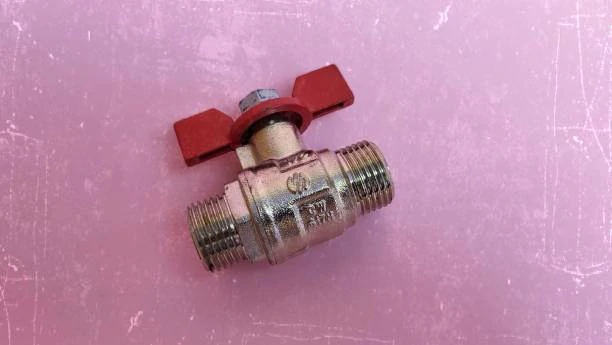
Brass ball valves are widely used in various fluid control applications due to their durability, reliability, and high resistance to corrosion. To ensure these valves meet the necessary safety and performance requirements, they are designed according to numerous international standards. For instance, ASTM 2846 outlines specifications for thermoplastic ball valves, while DIN 8079/8080 focuses on compatibility with polyethylene and polypropylene pipes. Additionally, standards such as ASTM F441/F441M SCH80 and AS/NZS 1477 ensure the valves’ effectiveness in PVC piping systems. By adhering to these strict regulations, brass ball valves maintain optimal performance, ensuring they are suitable for both residential and industrial settings, including drinking water systems, with certifications like NSF/ANSI 14.
Connect
IFAN is a Chinese manufacturer of plastic pipes, fittings and valves with 30 years of experience. If you are interest in IFAN copper fittings, copper valves, plastic pipes and fittings, please contact us. IFAN offers you a variety of standard pipes to meet your specific needs. Click below to learn more about IFAN’s wide range of affordable and cost-effective valve products and piping system related products.
We will reply your email or fax within 24 hours.
You can call us at any time if there is any question on our production.
For more information,pls visit our webside https://www.waterpipefactory.com/
Pls Mailto: [email protected]
Whatsapp: + 86 152 1588 7738