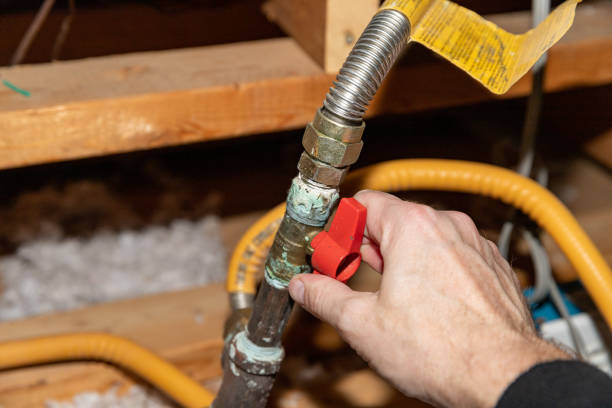
Trim valves

shut off valves

Shut Off Valve Quality The Cornerstone

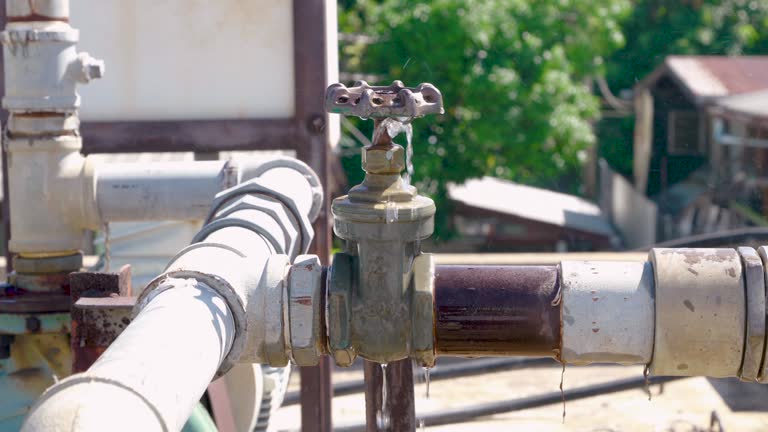
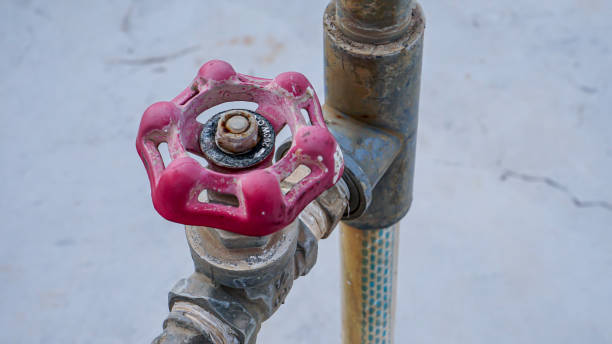
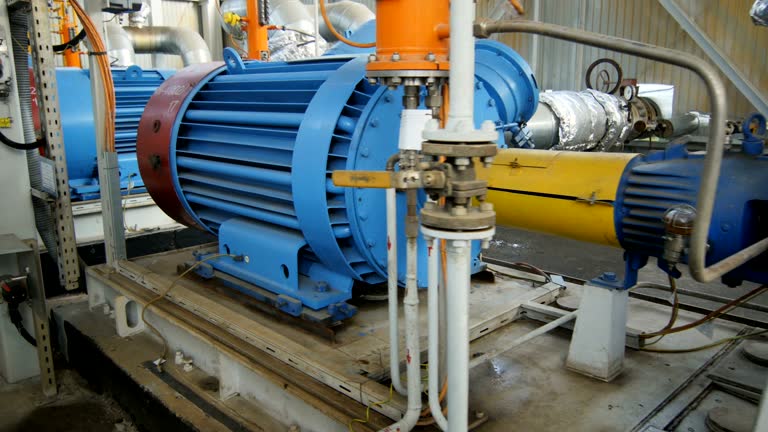
1. Premium Materials Ensure Long-Term Durability High-quality shut off valves start with robust materials. Manufacturers use marine-grade brass, stainless steel, or thermoplastics like PVDF to resist corrosion, high temperatures, and chemical exposure. For example, brass valves in seawater applications prevent dezincification, while stainless steel variants handle acidic media in chemical plants. Inferior alloys crack under […]
Shut Off Valve Quality The Cornerstone Read More »

Shut off valves

Shut Off Valve Excellence Ensuring Safety and Efficiency Across Industries

1. Precision Engineering for Unmatched Reliability Shut off valves deliver flawless performance in critical systems, from plumbing to industrial pipelines. Advanced designs eliminate leaks, even under extreme pressure fluctuations. Manufacturers use aerospace-grade materials like stainless steel or brass to ensure durability. These valves withstand temperatures ranging from -50°C to 250°C, making them indispensable for oil

Shut Off Valve Excellence Ensuring Safety and Efficiency Across Industries Read More »

Trim valves

The Basics of Trim Valves Their Role and Importance

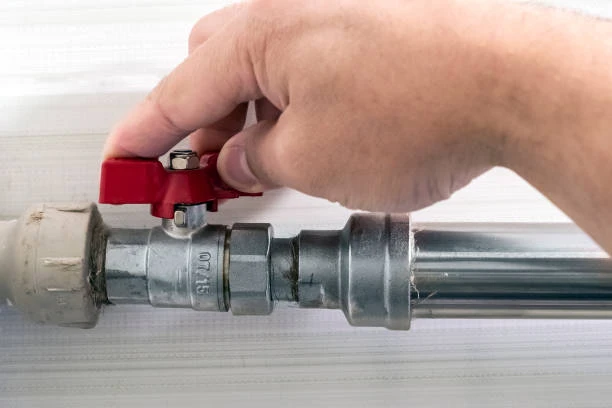
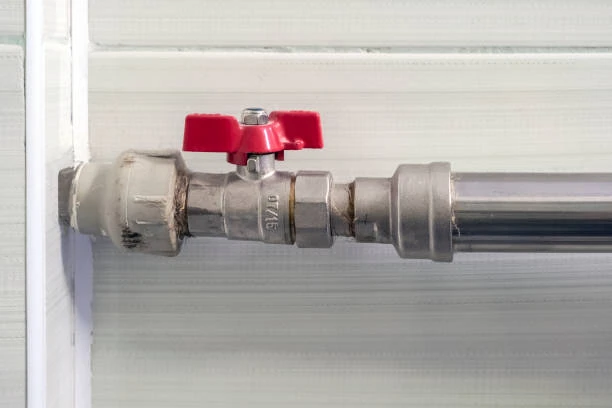
1. Introduction to Trim Valves Trim valves are essential components in fluid control systems. They regulate the flow, pressure, and temperature of fluids like water, steam, air, and gases within pipelines and other systems. Engineers and designers use trim valves in a wide range of applications, from industrial machinery to residential plumbing. Their primary function

The Basics of Trim Valves Their Role and Importance Read More »

Trim valves

Engineering with Trim Valves Optimization and Efficiency

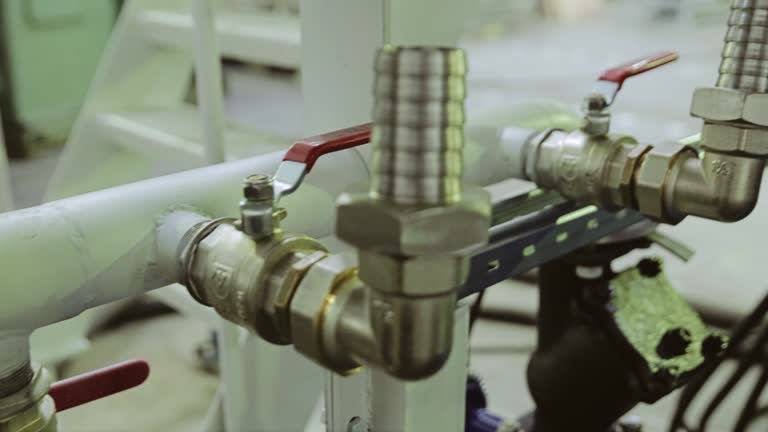
1. Understanding Trim Valves in Engineering Systems Trim valves play a crucial role in fluid and pressure control systems. Engineers incorporate these valves to regulate the flow, pressure, and temperature of fluids in pipelines, ensuring efficient and reliable operation. Trim valves consist of various components like the valve body, trim, seat, and actuator, each designed

Engineering with Trim Valves Optimization and Efficiency Read More »

Trim valves

The Manufacturing Process of Trim Valves

1. Selecting High-Quality Materials Manufacturers start the production of trim valves by choosing the right materials. Engineers analyze the operating conditions, including pressure, temperature, and chemical exposure, to determine the best material for durability. Stainless steel, brass, and special alloys provide resistance to corrosion, wear, and extreme conditions. The selection process ensures that the final

The Manufacturing Process of Trim Valves Read More »

Trim valves

The Quality of Trim Valves Key Factors

1. Material Selection Determines Durability Manufacturers use high-quality materials to enhance the durability of trim valves. Stainless steel, brass, and special alloys resist corrosion, wear, and extreme temperatures. Engineers select materials based on the fluid type and operating conditions to ensure long-lasting performance. In aggressive environments, corrosion-resistant coatings provide additional protection. 2. Precision Manufacturing Ensures

The Quality of Trim Valves Key Factors Read More »

Proper Use of Trim Valves Ensuring Efficiency and Reliability

1. Selecting the Right Trim Valve for the System Engineers choose trim valves based on pressure, temperature, and fluid type. Each application requires specific materials and designs to handle varying conditions. For example, stainless steel trims work well in corrosive environments, while softer materials like rubber trims provide better sealing in low-pressure systems. Careful selection

Proper Use of Trim Valves Ensuring Efficiency and Reliability Read More »

Leave Your Message
We support Free Sample,please contact us ASAP !

IFAN since to 1993, offer PPR,PEX,PVC,HDPE,Brass Fittings,Brass Valve,Brass Bibcocks etc.